All thirty-five guides
Wildfire
Evacuation help follows the trigger, not the fear: damaged home, civil authority order, and voluntary departure get three different answers, with the additional cost rule worked in dollars. General information only.
Liability
Dated Ontario prices for 1, 2 and 5 million dollar umbrella limits up top, the underlying minimum gap trap worked in dollars, and a three option comparison. General information only.
Claims
No standard post-claim increase exists in Canada. The five renewal outcomes a claim can trigger, the conflicting percentages read honestly, and a line by line declarations comparison. General information only.
Coverage
Coverage B commonly defaults to 10 percent of the dwelling limit, shared by every structure in the yard, while the contents inside sit in a different bucket. A rebuild-cost audit in five steps. General information only.
Rentals
A standard Canadian home policy treats paying guests as a commercial activity. What AirCover actually stands behind, what an endorsement costs, and how to decide by nights hosted. General information only.
Seasonal homes
A cottage policy can be in force all winter while its coverage is not. Secondary vs seasonal classification, the vacancy clause condition by condition, and why the check-in numbers disagree. General information only.
Older homes
A triage guide to insuring an older Canadian home: knob-and-tube wiring, 60-amp service, galvanized and polybutylene pipes, oil tanks and wood stoves, sorted by insurer consequence, from outright decline to inspection to higher premiums. General information only.
Renovations
One renovation, three insurance moments: before (when to notify, and the $15,000 threshold), during (contractor liability, the materials gap, vacancy), and after (resetting the rebuild value). General information only.
Coverage gaps
A standard Canadian home policy was not priced for a business. The disclosure duty that protects the home policy itself, what an endorsement covers, and the signs you need a standalone commercial policy instead.
Mortgages
Canadian lenders require home insurance by contract, not by law. What the binder must show, the lender as loss payee, the IBC standard mortgage clause, and how Canadian property-tax collection differs from US escrow.

The basics
The four parts of a standard policy, your home, your belongings, extra living costs, and liability, plus the exclusions people are most surprised by.

Pricing
Replacement cost, location, claims history, and the state of your home, what goes into the number, and which inputs you actually have some control over.

Saving money
How deductibles really trade off against premiums, what "bundling" actually means, and the discounts worth asking about, general guidance, no invented numbers.

Renewal
A low-stress routine for renewal time: when to start, what to compare line by line, and how to switch without a coverage gap.

Renters & condos
Not a homeowner? Tenant insurance and condo unit-owner policies work differently, here's what they cover and how they fit with your landlord's or corporation's policy.

Winter risks
The covered-vs-not scenarios for frozen pipes, the "reasonable steps" standard made concrete, and the snowbird vacancy rule to know before you travel.

Claims
The claim procedure plus the two decisions other guides skip: whether to file at all, and what you're allowed to fix before the adjuster arrives.
Claims
A room-by-room inventory procedure, a comparison of video, checklist, and app methods, and the totals-versus-limits check most guides skip.
Water damage
Five kinds of water, five different claim stories: indoor discharge, sewer backup, overland water, seepage, and storm surge, sorted by where the water came from.
Liability
The outward-facing part of the policy: the defence and compensation tracks, who is covered, and a three-question framework for testing any scenario.
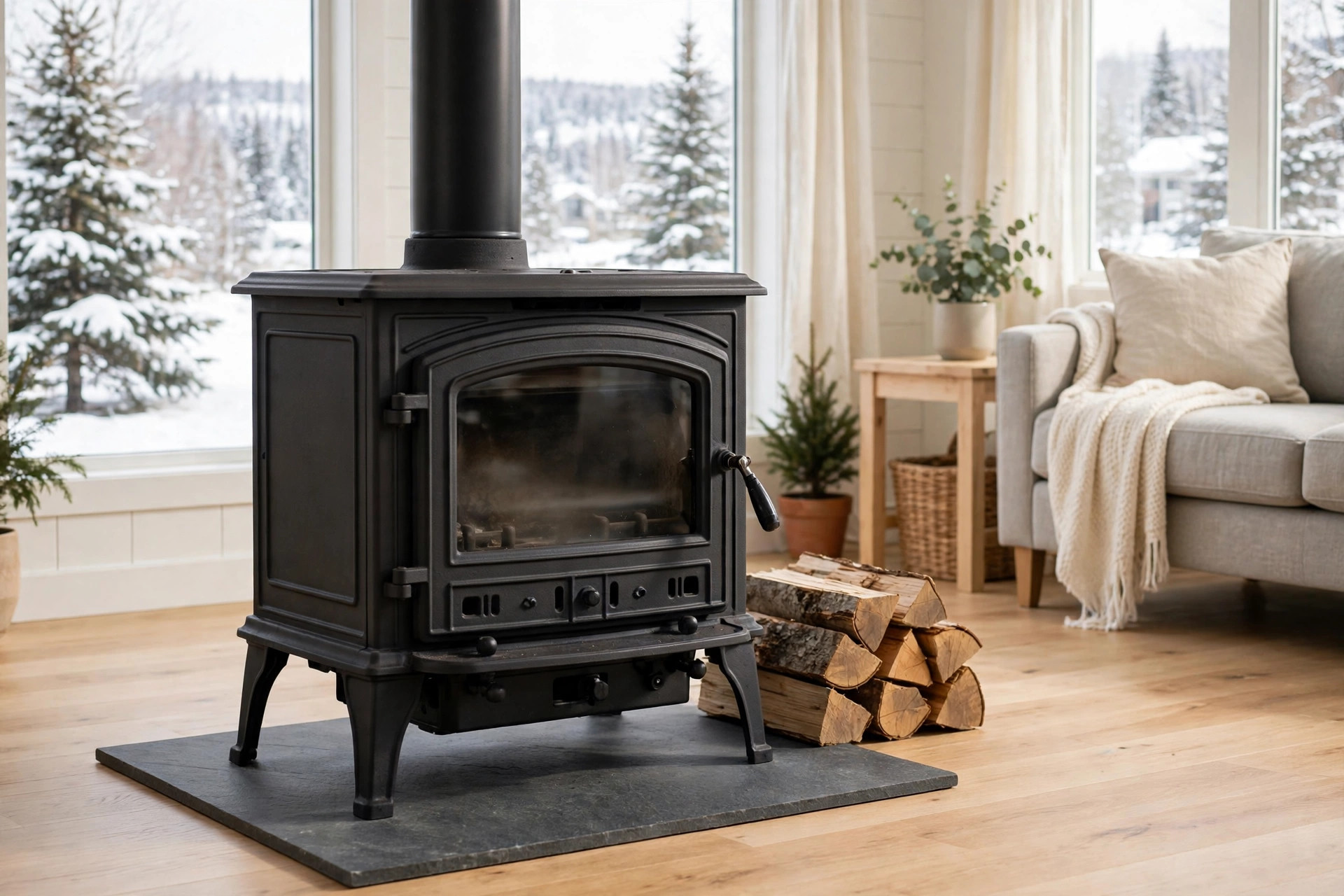
Heating
Three gates for insuring a home with a wood stove, disclose it, certify the appliance, inspect the installation, plus the primary-heat question and the "WETT certificate" that does not exist.
Empty homes
The difference is intention to return, not furniture or just 30 days: the two clocks that govern an empty home, what coverage falls away, and a map for sales, estates, rentals, renovations, and snowbirds.
Coverage
Why the standard policy excludes it, what the add-on covers, claim steps, and the prevention purchase that costs under $250 for the valve itself.
Renewals
Six steps from envelope to decision: compare the declarations pages, disclose the changes, verify the discounts, decide 30 days out.
Coverage
How depreciation is applied, which parts of a policy use which basis, a fully worked example with the deductible and the two-payment holdback, and the guaranteed-replacement-cost distinction.
Claims
Internal review, the final position letter that unlocks GIO, the regulator's parallel track, statutory appraisal for amount fights, and every timeline in one table.
Coverage
Decide earthquake cover by the deductible, not the fear: Canada's three risk bands, why sources disagree on the deductible percentage, the strata assessment trap, and priced annual estimates by city. General information only.
Rentals
Renting out a basement suite changes your home policy the day a tenant moves in: tell the insurer in writing, endorsement vs landlord policy by living arrangement, and what your policy never covers for the tenant. General information only.
Claims
Price a claim before filing it: the claims-free discount ladder at 3, 5, 7 and 9 years, why frequency hurts more than size, and a worked break-even for a small water loss. General information only.
Heating
Two different age lines for an oil tank, one coverage hole for escaped fuel oil, and three moves, replace, endorse, or convert, compared with dated source figures. General information only.
Coverage
ALE pays the increase over your normal costs, not the whole bill: the three triggers, a worked one-month ledger, and the money, time and repair limits that end the coverage. General information only.
Coverage
A special limit applies to a whole category, not one piece: compare leaving valuables under the limit, scheduling them on a floater, or changing the limit, plus a one-sitting audit. General information only.
Renters & condos
Two policies insure one condo and neither covers the whole unit: the standard unit line, the three bills all called an assessment, the Alberta $50,000 deductible cap, and a three-document check. General information only.
Coverage
Identity theft cover pays restoration expenses, not stolen money back: dated median prices for both add-ons, the free cover to check first, and when each one is not worth it. General information only.
Coverage
A relative moving in changes the insurance, not just the furniture: listed insured vs tenant policy vs restructured cover, the contents limit set for one household, and a five-step pre-move procedure. General information only.
 Home Insurance Basics Canada